Concept preview — this is not yet the official website of Hernandez Concrete Design, Inc.
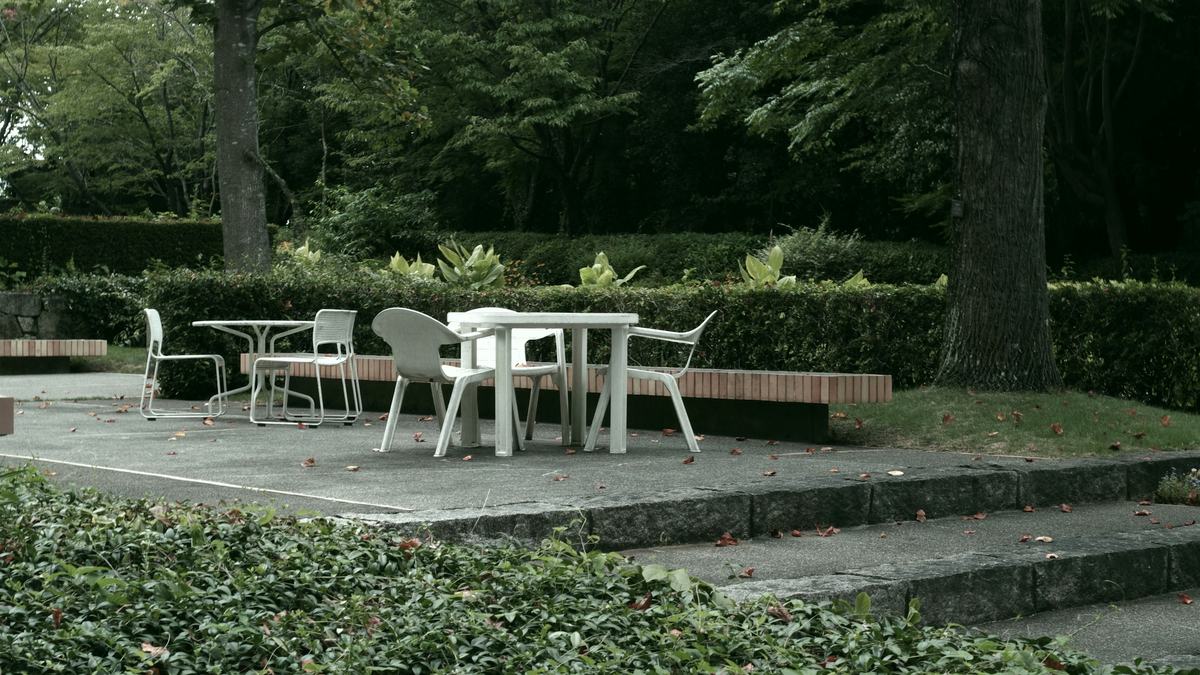
Concrete patio with a table and chairs surrounded by garden planting

Concrete Patios

Concrete patios built for Front Range weather

A patio is the most-used slab most homeowners own. It has to handle freeze-thaw cycles, summer heat, hail and a lot of foot traffic — and still look right against the house.

Illustrative photo: Naoki Suzuki / Unsplash

What goes into a patio that lasts

Most early patio failures trace back to what happens before any concrete arrives: the base. Front Range soils often contain expansive clay that swells when wet and shrinks when dry, so sub-grade preparation, compaction and drainage away from the foundation matter more than the finish on top.

For exterior flatwork in a freeze-thaw climate, air-entrained concrete, correct slab thickness, and properly spaced control joints are the standard practice. Joints give the slab a planned place to crack instead of a random one.

Finish options

Broom finish — the classic slip-resistant texture, and the most economical option.

Colored concrete — integral color mixed through the slab, so wear and chips don't reveal gray underneath.

Stamped concrete — patterns such as flagstone, slate or wood plank pressed into the surface. See stamped & decorative concrete.

Exposed aggregate — the top paste is washed away to reveal the stone in the mix, giving a durable, textured surface.

Common questions

How long before I can use a new concrete patio?

Light foot traffic is typically fine after 24–48 hours. Furniture and grills are best kept off for about a week, and concrete continues gaining strength for roughly 28 days.

Should a new patio be sealed?

Sealing is recommended for colored and stamped concrete to protect color and resist staining, and is usually reapplied every few years. Plain broom-finished patios can also benefit, especially near grills or planters.

Can you pour a patio over an old cracked one?

Sometimes, but it depends on the condition and height of the existing slab, drainage and door thresholds. Heavily cracked or heaved slabs are usually better removed and replaced so the new patio isn't inheriting the old problem.

Planning a concrete project across the Denver metro?

Call to talk through the job and arrange a site visit and estimate.

Call (720) 771-8853
Call (720) 771-8853