Concept preview — this is not yet the official website of Hernandez Concrete Design, Inc.
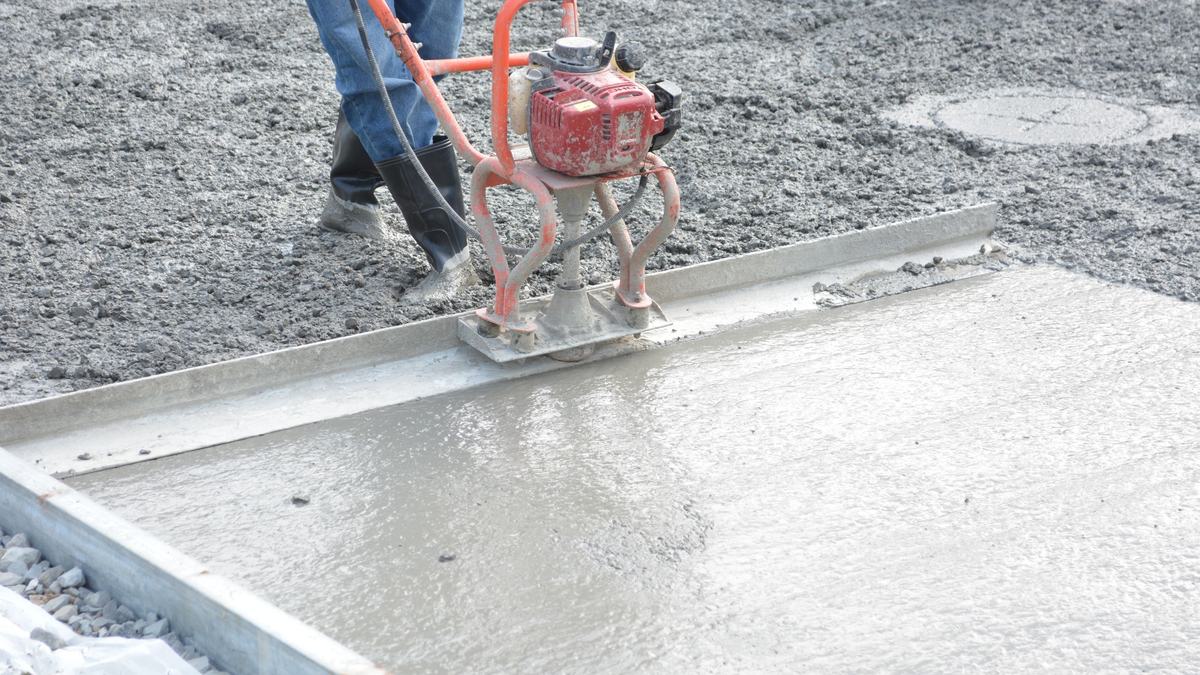
Power screed leveling a freshly poured concrete slab between steel forms

Garage & Interior Floors

Garage floors, pads and interior slabs

Garage floors take hot tires, dripping snowmelt and road salt all winter. A flat, properly sloped slab is the foundation for everything stored on it.

Illustrative photo: betongsmcsg / Pexels

Garage floors

Replacement garage slabs are sloped toward the door so snowmelt drains out rather than pooling. Salt-laden slush from vehicles is one of the harshest things concrete in Colorado faces, so finish and sealing choices matter.

Pads and slabs

Concrete pads for sheds, hot tubs, RV parking and outbuildings need the right thickness for the load and a level, compacted base. For hot tubs and heavy equipment, check the manufacturer's slab requirements first.

Common questions

Why does my garage floor flake in winter?

Surface scaling is common where salty snowmelt from vehicles sits on the slab and goes through freeze-thaw cycles. Sealing and clearing slush help prevent it.

How thick should a shed or hot tub pad be?

It depends on the load. Many residential pads are about four inches, while heavy loads call for more — follow the manufacturer's specifications for hot tubs and equipment.

Can a garage floor be coated?

Yes, once the concrete has fully cured. Coatings need a clean, sound surface to bond properly.

Planning a concrete project across the Denver metro?

Call to talk through the job and arrange a site visit and estimate.

Call (720) 771-8853
Call (720) 771-8853