Concept preview — this is not yet the official website of Hernandez Concrete Design, Inc.
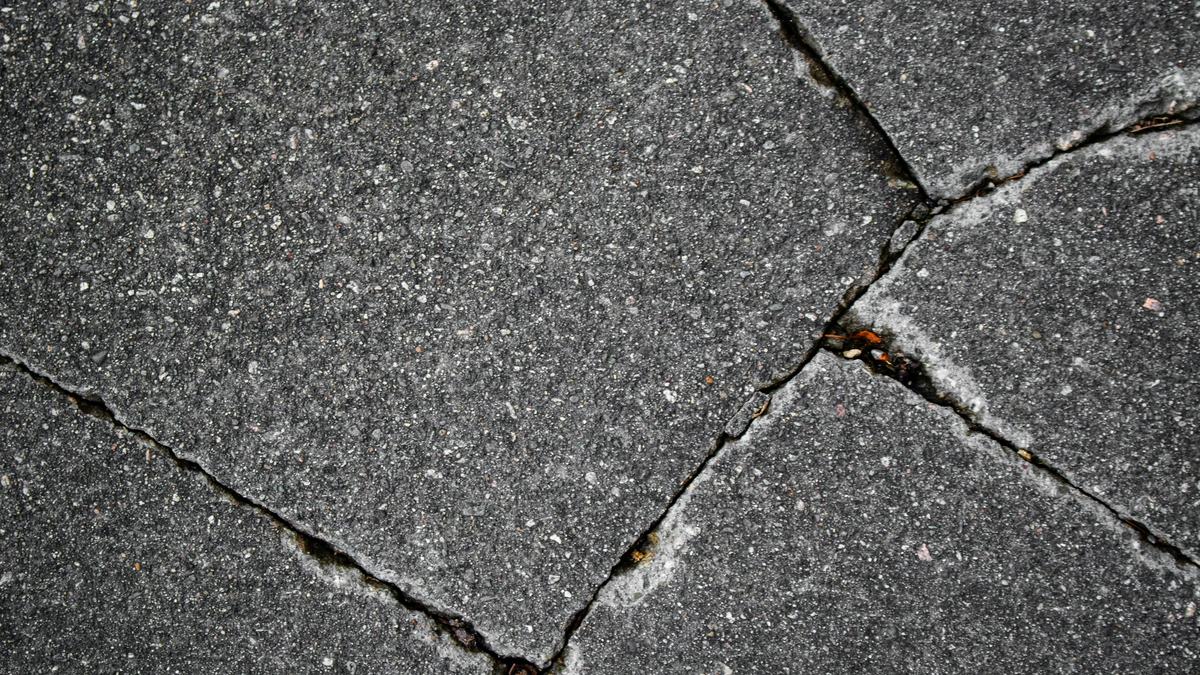
Cracked concrete slab with separated joints that need repair or replacement

Concrete Repair & Replacement

Concrete repair and replacement

Cracks, trip hazards, sunken sections and flaking surfaces are common across the metro. The right fix depends on what's causing the damage — not just what it looks like.

Illustrative photo: Zoshua Colah / Unsplash

Common problems on the Front Range

Scaling and spalling — the surface flakes or pops off, often from freeze-thaw moisture and deicing salt.

Heaving and settling — slabs lift or sink as expansive clay soils swell and shrink, or as poorly compacted fill settles.

Structural cracking — wide or offset cracks that keep growing, as opposed to hairline shrinkage cracks.

Drainage damage — water pooling against a foundation or undermining a slab edge.

Repair or replace?

Hairline cracks and small, stable defects can often be sealed or patched. Where sections have moved, the surface is failing across a large area, or water is flowing toward the house, removing and replacing the affected sections — and correcting the slope and base — is usually the durable answer.

Common questions

Are hairline cracks in concrete a problem?

Fine shrinkage cracks are common and usually cosmetic. Cracks that widen, offset so one side sits higher, or let water under the slab are worth having assessed.

Can a sunken slab be raised instead of replaced?

Some settled slabs can be lifted, but if the slab itself is badly cracked or the soil keeps moving, replacement is often the more reliable fix.

Who is responsible for a damaged public sidewalk?

In Denver, property owners are generally responsible for the sidewalk adjacent to their property. Rules differ by city, so check with your municipality.

Planning a concrete project across the Denver metro?

Call to talk through the job and arrange a site visit and estimate.

Call (720) 771-8853
Call (720) 771-8853